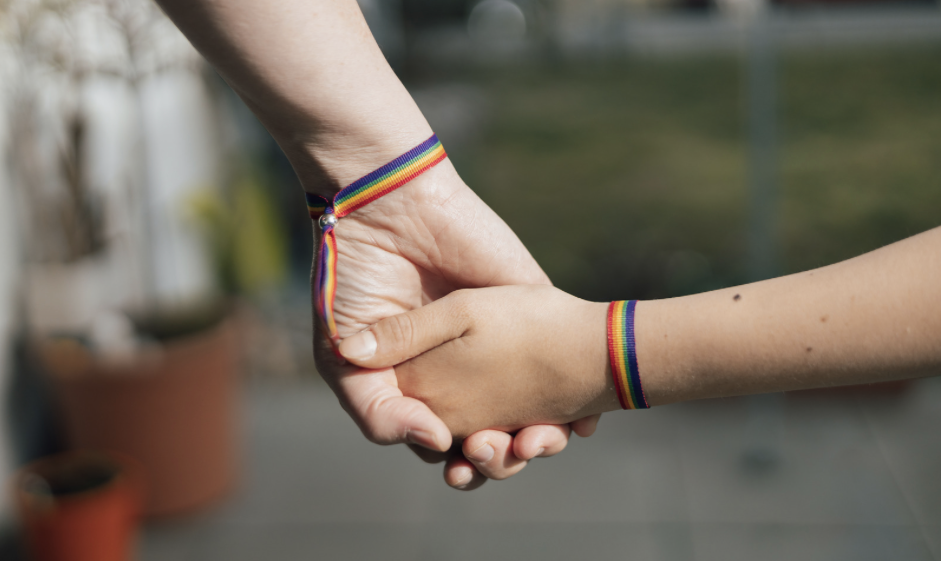
LGBTQ+ Grief and the Losses No One Names
There are some losses in life that arrive with a name and a ritual, like a death, a funeral, or maybe just a card in the mail. People know what to say, or at least they try; however, there is another kind of loss that moves through queer communities that does not look like the kind the world has agreed to recognize. This type of grief doesn’t have a normative service, and it typically doesn’t come with anyone thinking to ask how you are holding up. It is real grief, but it gets minimized and avoided. Queer folks often find themselves grieving people who are still alive, but just can’t accept who they are. There is a particular kind of heartbreak in losing someone who is still here, but cannot make room for the person you have become. You may eventually realize that tolerance is not acceptance, and make the impossible choice to let go. Or sometimes, that choice is made for us. Either way, there is still a loss to grieve.
Some of these losses might include grieving a parent or sibling who is still alive, who chose their idea or expectations of you over the actual you. You might be grieving years you spent as someone you were not. You might be mourning friends lost along the way, or a version of your future you once imagined you would have. None of it fits neatly on a sympathy card, but all of it deserves room.
When the World Won't Call It Grief
There is a term for this type of loss: disenfranchised grief. It describes loss that goes unacknowledged by the people around you, and the kind that does not come with permission to mourn. Typically there is a lack of social validation for this type of grief, and there may not be traditional outlets for mourning.
For a lot of queer and trans people, this experience is familiar territory. You lose a relationship with your family member(s) and everyone expects you to be fine or get over it quickly. They might even say ‘kind’ things like “they don’t deserve you” and “you did the right thing.” But sometimes that doesn’t leave room for the more complex emotions. You might grieve the wedding your parents will not come to. You might grieve the holidays that got quieter. You might grieve the person you were before loss changed you. You might grieve the life you imagined, even if the life you have is still beautiful. Most difficult of all: you might carry it alone, sometimes without even letting yourself call it grief.
That silence does something. When a loss is not attended to, you can start to believe it does not count. Maybe you minimize it. Or perhaps you tell yourself other people have it worse. But a loss the world refuses to see is still a loss, and pretending otherwise does not make it lighter, only lonelier.
The Losses That Don't Involve a Death
Grief is not reserved for people who have died. Some of the heaviest losses the queer community holds are about people who are very much still here.
There is a specific ache to grieving someone who is alive. It could be an estranged parent, a sibling who went silent, or a friend who could not follow you into your truth. They are out there in the world, living their days, and you are mourning a relationship that used to exist or never got the chance to. Psychologists sometimes call this ambiguous loss, which is grief without closure or finality. Loss without closure can make it hard to move through, especially with there is no clear path forward.
There is also the grief of the life you did not get to live, and the version of it that felt out of reach for too long. That may include years spent closeted, or performing, or waiting for it to be safe. The younger version of you who needed to be met and was not. Coming into yourself later can bring real joy, and it can also bring a quiet mourning for all the time that came before it. Both can be true at the same time.
And for many people (especially those navigating journeys with queerness and gender), there is the tender, complicated grief that can accompany becoming who you are. Even a change you have wanted your whole life can carry loss inside it. Grieving parts of your past does not mean you regret who you are now. Most of the time it is simply the honest, tender cost of finally getting to live as yourself.
Chosen Family and the Grief No One Prepares You For
When your family of origin steps back, chosen family becomes everything. Chosen family might consist of the friends who show up, the people who become your emergency contacts, your holiday table, and your home. Your family becomes the people who know you deeply and stay. It’s one of the most beautiful things about queer community.
It also means grief hits differently here, and it can also make loss especially complicated. When you lose someone from chosen family, the world may not understand what you lost. There is no bereavement leave for a friend, even one who was more family to you than anyone related by bloodThere may be no ritual, no language, and no clear way to explain why this loss has changed the shape of your life. The people who lived it with you understand. Almost no one else does. That kind of grief deserves to be named for what it is. You lost family. It counts.
You Are Allowed to Grieve It
Maybe the hardest part of disenfranchised grief is the permission problem. You keep looking for a signal that your loss is big enough, real enough, or legitimate enough to take up space in a world that never made room for it. That signal may never come from the outside, so it has to start with you.
You do not need anyone's approval to grieve. You do not need the loss to make sense to your coworkers, your relatives, or the people who never had to fight for the right to be themselves. Grief is not a debate you have to win. You do not have to explain it until it makes sense to someone else. You get to miss someone. You get to be angry, relieved, heartbroken, numb, or all of it at once.
That is part of what grief counseling can offer: a place to bring the losses that do not have a widely recognized name or that you have been carrying quietly and finally say them out loud. The relationship that ended. The family member who pulled away. The friend you still think about. The future you thought you were going to have. The parts of yourself you had to leave behind.
You can stop carrying them in silence. You do not have to make your grief sound reasonable or explain why it hurts. You can bring the whole messy, complicated thing and have someone sit with you in it while you make sense of what you have lost.
If any of this sounds like something you have been carrying, I would be glad to talk. You can reach out for a free consultation whenever you are ready. I’d be happy to be in your corner.